
10 Years of Justice Action Network: Progress, Impact, and the Road Ahead
As 2025 comes to an end, we’re reflecting on all of the progress we’ve seen over the last 10 years since Justice Action Network was founded. We sat down with our Executive Director, Lauren Krisai, to hear her thoughts on how the organization and policy work has evolved over the last 10 years, and what we hope to see over the next decade.
Can you tell us about the moment or experience that led you to join Justice Action Network?
I joined JAN in January 2018 after serving as director of criminal justice reform at the libertarian nonprofit Reason Foundation. At Reason, my advocacy was limited because of its 501(c)(3) status, and there’s only so much you can really change by writing papers. As a 501(c)(4), JAN brings the lobbying and direct advocacy firepower that was missing from the criminal justice reform policy work I was doing, and I quickly got hooked on watching our advocacy translate to real-world legislative success.
2025 represents 10 years of Justice Action Network. How have you seen the national conversation around criminal justice reform change?
It’s honestly been pretty drastic, but not in the way you might expect me to say. When I first started at JAN, the bipartisan aspect of the work we did was still pretty novel. Republicans had to be convinced to work on these issues, and even then, it was pretty tough to keep them on.
But now – and I can only speak to the states where we work, not nationwide – the issue is to a large degree completely non-controversial. I mean, in his 2025 State of the State address, Oklahoma’s Republican Governor, Kevin Stitt, said he wanted to end what have become essentially debtor’s prisons! That is so wild. I couldn’t have imagined a Republican Governor centering criminal justice reform like this a decade ago.
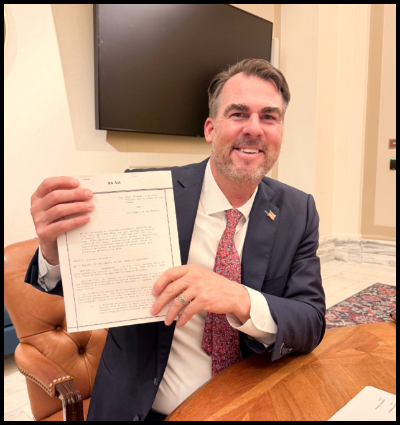
Oklahoma Gov. Stitt holding signed criminal justice reform legislation, 2025
We have a much larger number of conservative lawmakers to work with too, which just speaks to how much wider the reach has gotten for this issue.
When you get lawmakers to start thinking about these issues and asking why we do things a certain way, you can’t undo that. It’s only progress from there.
Similarly, these same lawmakers will be much more likely to push back on regressive legislation that makes our system worse–there are ripple effects.
Looking back, what moments or legislative victories stand out as defining achievements for JAN over the past decade?
I am constantly in awe of the track record of success at Justice Action Network. We’ve contributed to the passage of *245 bills* in 24 states, and six major federal policy victories as well.
At the state level, a defining achievement for us was the passage of the country’s first Clean Slate law in Pennsylvania. This was really the most robust bipartisan campaign we had the privilege of leading with our fantastic sponsors, Republican Rep. Sheryl Delozier and Democrat Representative Jordan Harris. And thanks to the work of Community Legal Services-Philadelphia and numerous other stakeholders, the law has been implemented and expanded since then and the impact has been monumental – 56 million records have been expunged and more than 1.2 million Pennsylvanians have been positively impacted by this law.
A top state highlight over the past couple of years is supporting driver’s license suspension reform in my home state, Ohio, and supporting the efforts of my hometown senator, Sen. Nathan Manning, to get that done. The robust coalition led by the Ohio Poverty Law Center was one of the best I’ve been a part of, and I wish we could recreate it in every state we work in. The efforts of that group have wiped out $8.4 million in fees and gotten hundreds of thousands of suspensions lifted, and counting.
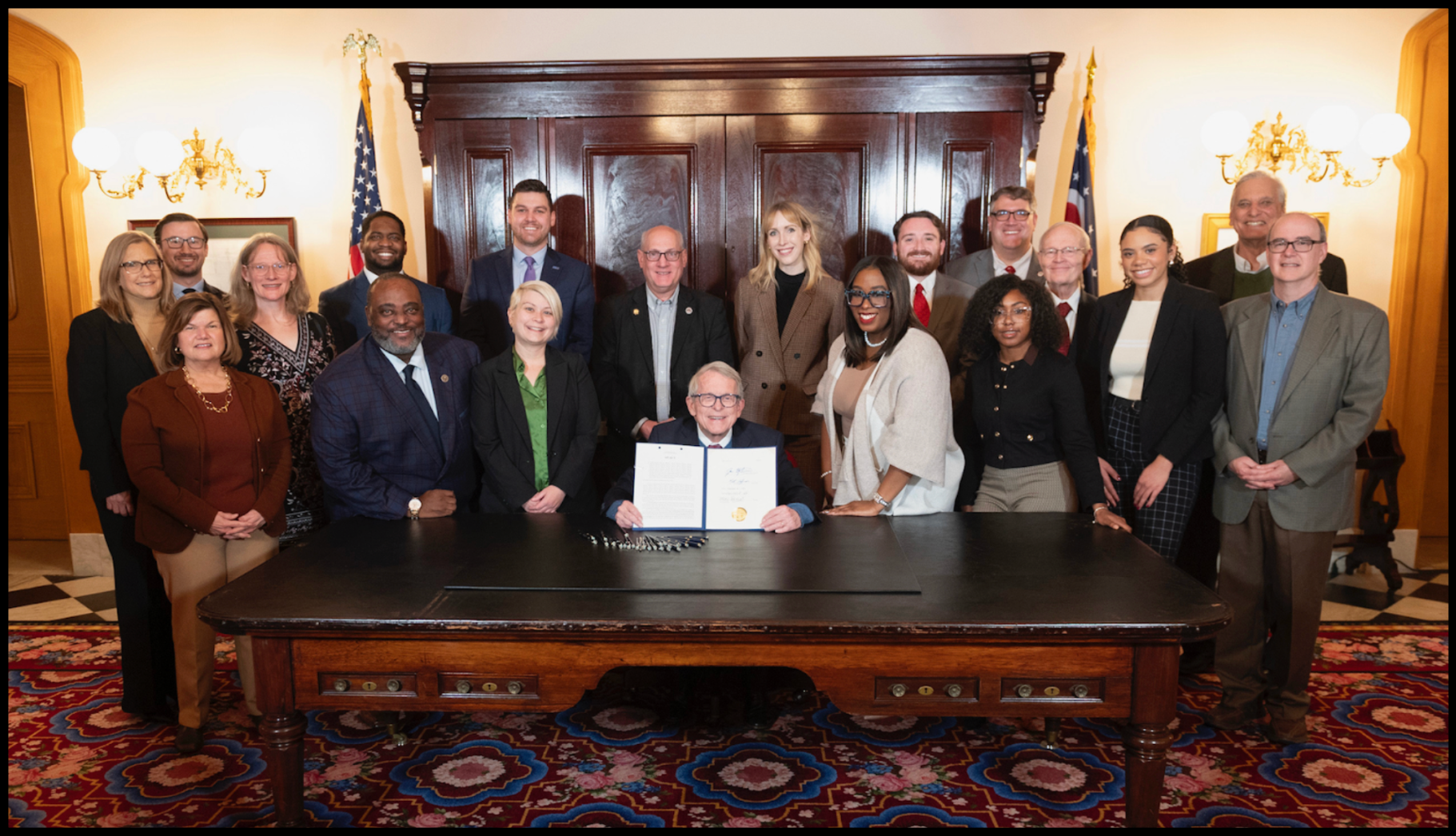
Ohio House Bill 29 bill signing with Governor Mike DeWine, January 2025
Of all the bills I worked on, Minnesota’s probation cap reform also stands out. Its retroactive component allowed a woman I worked with, Jennifer Schroeder, to finally have her 40-year probation term terminated. She was set to be on probation until she was in her 70’s!
Ohio House Bill 29 bill signing with Governor Mike DeWine, January 2025
And although I have always focused on our state work, I cannot overlook the landmark First Step Act that was signed into law by President Trump in 2018. That was the culmination of years of work and really exemplifies what made JAN special at that time, which was our focus on convening and coordinating with so many national groups on both sides of the aisle to rally around a bill we could all support, focusing real lobbying firepower to help get it done. I was proud to watch my former colleagues, Holly Harris and Inimai Chettiar, celebrate that well-deserved win alongside so many other advocates and groups we had worked with for years to get it done.
The toughest fights bring the biggest rewards, and knowing that we’ve contributed toward the passage of legislation that has profound impacts on people’s lives and communities is an amazing feeling, especially in this current political climate.
What role have state lawmakers played in shaping the organization’s success over the last 10 years?
There is no reform without state lawmakers being willing to sponsor and champion a bill. Our relationships with them are so essential and valuable, and I’m lucky to be able to call a few friends after years of working together.
A huge pet peeve of mine is when groups describe legislation as “their” bill – no! It’s the lawmaker’s bill, and we are privileged to sometimes be able to help shape what the language looks like, but it is never “JAN’s bill.” It’s totally disrespectful to say otherwise. The fundamental ingredient to successful advocacy work is being able to work with lawmakers who become your champions for this work. We center them in the work that we do and cannot make a change without them.
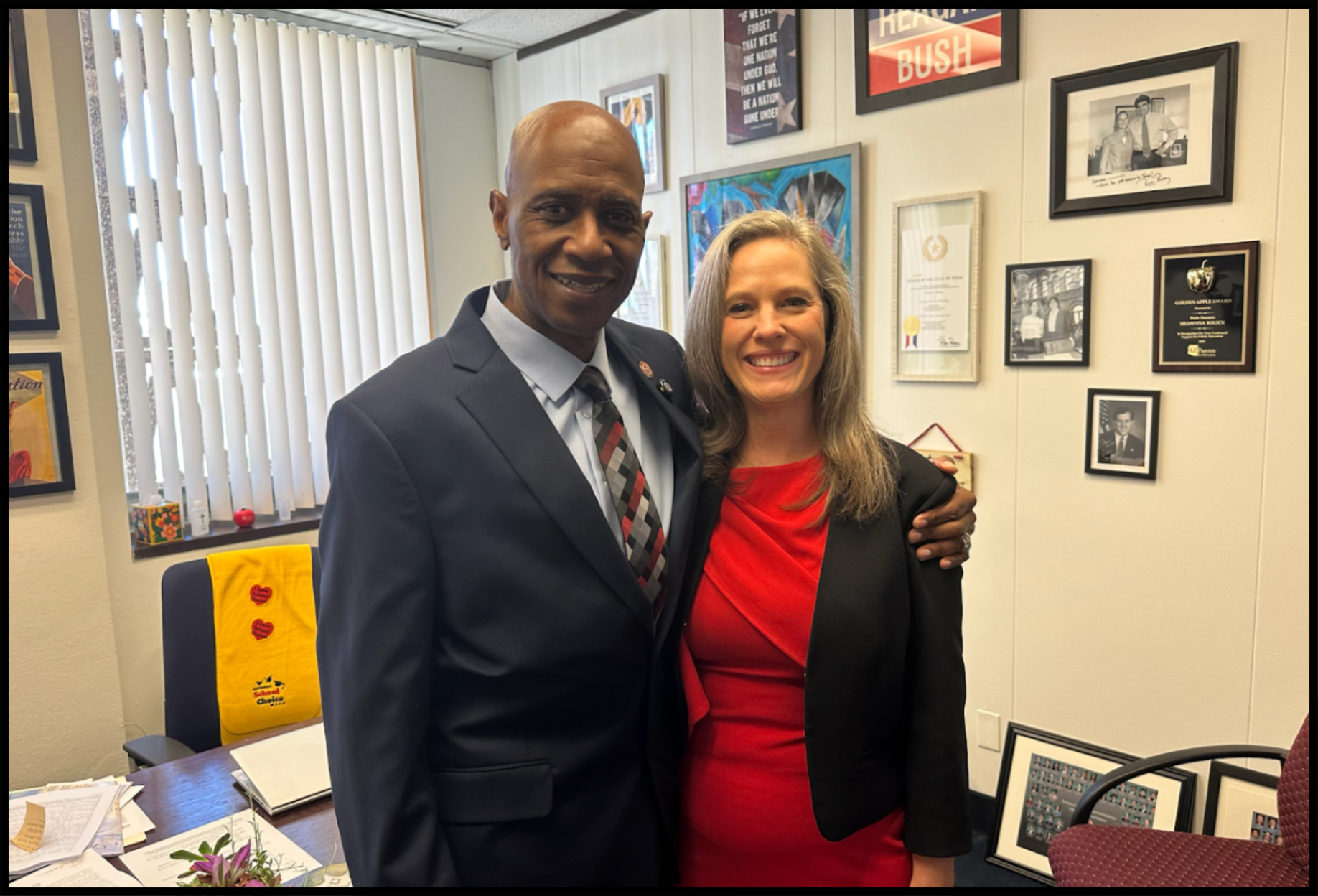
Arizona Rep. Walt Blackman (R) and Sen. Shawnna Bolick (R)
With political polarization running high, how has JAN maintained its bipartisan approach — and why is that still so important?
I think what we do goes beyond the policy itself. When lawmakers on both sides of the aisle work together, they are less likely to go after each other on other issues that make us more divided as a country. For example, we worked with one of the most progressive Senators in Arizona, Sen. Ortiz, and a staunchly conservative Republican, Sen. Bolick, on an independent correctional oversight bill. The two of them issued a joint statement of support for the bill during the session, which I think blew a lot of people’s minds. These two Senators respect each other enough not to completely go after one another on other issues. This, to me, has become more about saving democracy and ensuring that the political environments in our states do not become as poisonously polarized as they seem to be in Congress. It’s the only way we can get things back on track and foster real change.
As you celebrate this milestone, what do you see as the next frontier for reform?
The big policy issues that lawmakers are willing to sink their teeth into right now revolves around eliminating bureaucratic fines and fees, driver’s license suspension reform, and things like that. We’ve had a lot of success with legislation in this area, and these policies have broad support within state business communities as well. I also see some momentum building for correctional oversight, especially with state DOCs stretched thin.
What keeps you optimistic about the future of criminal justice reform?
What keeps me optimistic is the fact that we work on legislation every year that makes it across the finish line. Every year, there is some version of an article saying that politicians are backsliding on criminal justice reform, or something like that. But every year, we have supported major criminal justice reform legislation in Republican states that has been signed into law.
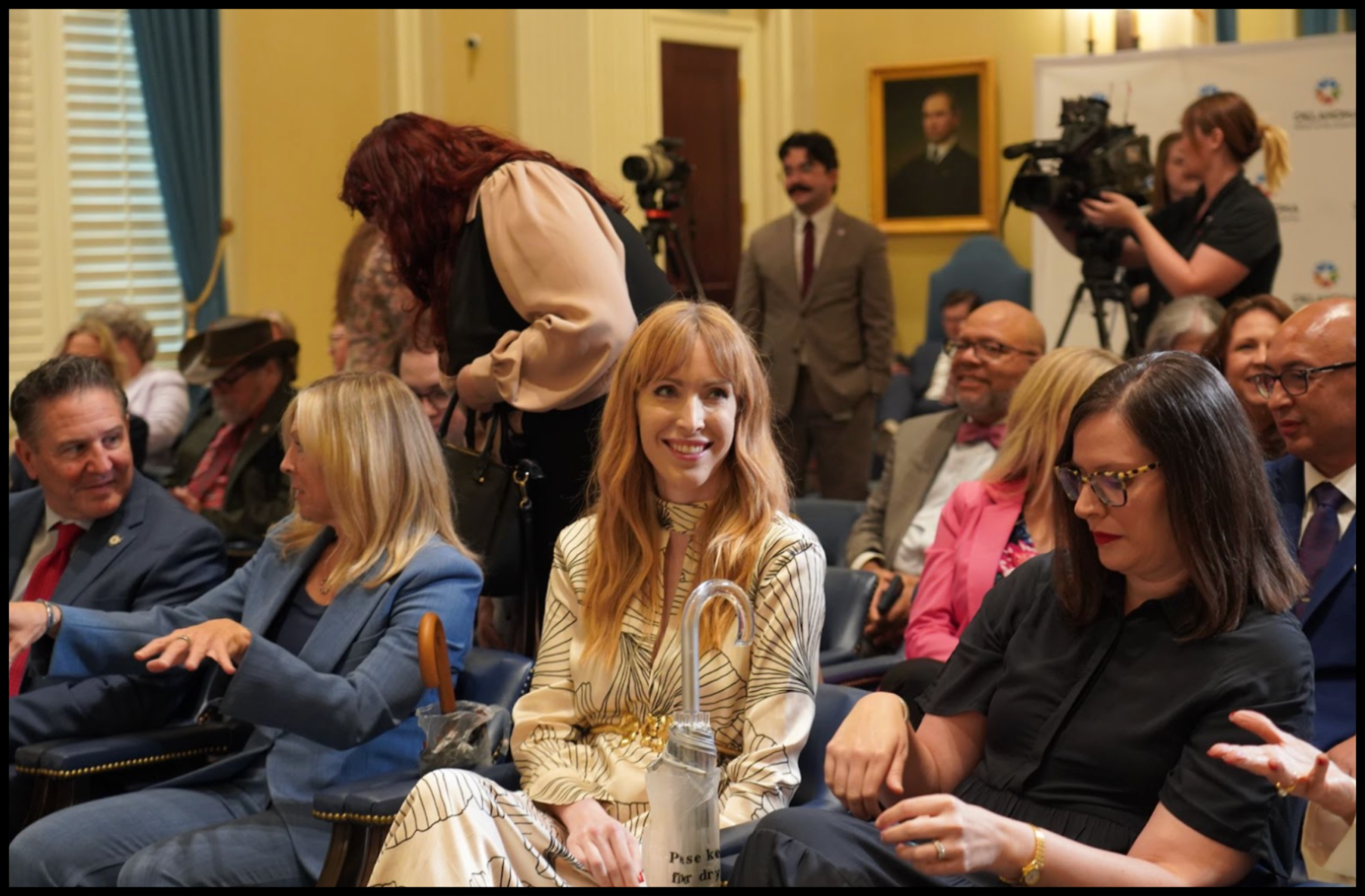
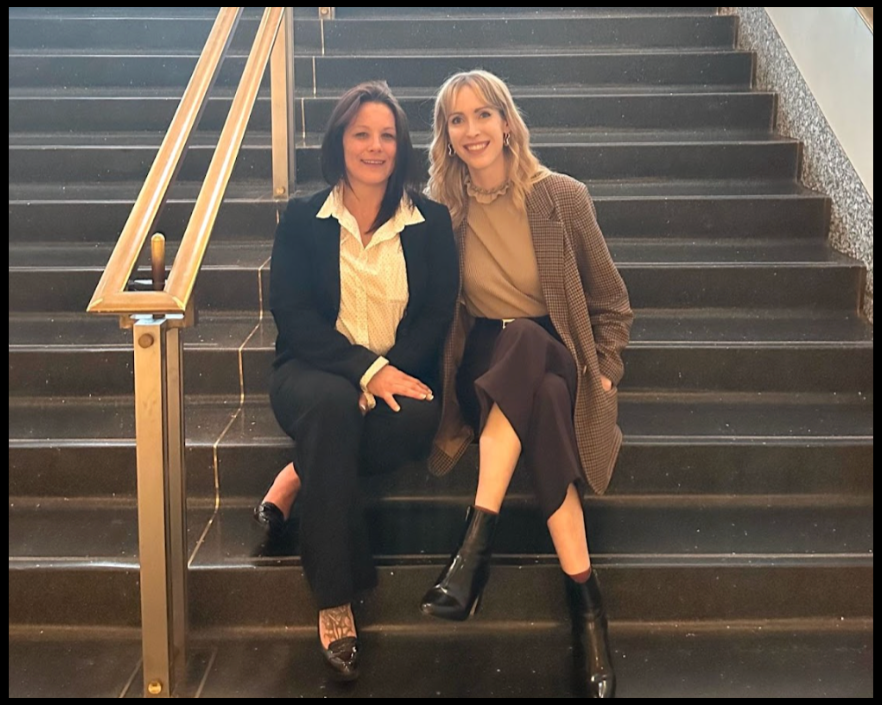
Lauren Krisai at a bill signing ceremony in Oklahoma, 2025
How is JAN preparing for the challenges and opportunities of the next decade?
I am a glass-half-full type of person (I think you have to be to do this work…) and I see only opportunities over the next decade. That doesn’t mean challenges won’t exist, but the work we do isn’t supposed to be easy. Over the last 10 years, I do believe that JAN and our in-state and national partners have helped to lay the groundwork for a foundational shift in thinking about criminal justice reform in states across the country that can’t be pulled back.
Once lawmakers and the public start thinking about this issue from a more holistic perspective, that's when we can start really diving into solutions. And I do believe that’s where we are in a lot of places, especially the states we’ve remained in.
The major challenge we’re facing is the lack of funding to support this issue, and I know that’s something that all organizations are struggling with right now. I do hope that foundations and individual donors recognize the importance of sustaining progress in this area, because it really does remain one of the only policy areas where we’re seeing consistent bipartisan collaboration and progress. The type of progress our work brings is better for our economy, better for our democracy, and builds a brighter future in this country overall.